.svg)

How Tigers, Elephants, and Deer Share the Same Paths in Corbett
The Jim Corbett National Park is not just a forest area. This park is a living area where many animals stay together, move, rest, and survive. The wild animals like tigers, elephants, and deer are some of the most famous animals found here. These animals are different in size, color, behavior, and features, but they share the same forests and live together. They share the same paths, and these are not made by humans. The oaths of Jim Corbett are made by nature and animals over many years. Let’s know how the animals of Jim Corbett National Park share the same routes and why these paths are important for the wildlife of Corbett.
Routes Made by Elephants
Elephants are the huge animals inside the park, and they are the ones that create wider routes inside the park. The elephants are of huge size and strength, and they can easily push the branches to the side, break the small trees, and flatten the grass while walking. When the herd of elephants uses a route regularly, it becomes wider and clearer. After that, the smaller animals of the park, like deer, use those routes. These paths are wide and offer them to walk in groups, and offer better visibility, which allows them to stay safe. Tigers also like these paths because they make walking silently easier while hunting. So, the path of one animal becomes useful for others.
Nature Makes Easy Routes
Most of the animals like to move through the easy paths inside the Jim Corbett National Park. They like paths with fewer bushes or softer ground, which makes the walking simpler for them. Animals always look for the easiest way to move from one place to another. Over time, the particular routes of the park become more comfortable because many animals use them again and again. So, the movement of different animals on the same path helps the others. The paths inside the park are not made with planning, but they become fixed over time because animals trust those paths.
Food Brings Them Together
Food is one of the main reasons why the animals of the park use the same path. Deer keep moving from one feeding area to another. They mostly are in those areas where grass, leaves, and fruits are available. The feeding routes of deer remain the same for a long time.
The elephants use different routes as they eat many types of plants, including grass, bark, leaves, and fruits. But sometimes the elephant follows the paths of deer, because they like to eat a wide variety of plants. This is when the deer and elephant use the same path inside the park, and it remains open for animals, too.
Spots that have more grass, fruits, and water are mostly used by the animals of the park. These areas become the point where animals of different species are often found together. But these paths are used by tigers too. They use this path because they depend on deer and other prey for food. They do not walk randomly. Tigers carefully choose paths where they have the highest chance of finding prey.
Tigers Follow Scent Marks and Tracks
Tigers of the Jim Corbett National Park mark their territory by scent and by leaving scratch marks on the trees. The tigers follow the scent marks and scratches to know where the other tiger went. This way, the tigers follow the same path inside the park. Sometimes, the tiger scratches are also seen by the people who go on a Jim Corbett safari.
Before hunting, the tigers follow their prey for some days to know where the prey is most likely to move. If deer and other prey use a particular path for some days continuously, then tigers check it and keep focus on it. Tigers also move on those trails and go to spaces where prey gathers - in this way, they share the same paths with deer. That is why the guides sometimes say, following a deer track can help you spot a tiger during safari.
Rivers Also Affect Movement
There are many rivers, small streams, and waterholes inside the Jim Corbett National Park. These things help the animals to know where to walk. Animals like to follow the paths that are safe to move on. That is why river sides and dry river paths are used again and again. They are flat and hard, which makes it easier for animals to move. The animals do not get stuck in the mud, which allows them to move freely.
The areas around waterholes become the most famous paths during summer. In dry months, many animals come near rivers to drink water. Deer come to the river to drink water and eat soft green grass. Elephants need a lot of water every day, so they walk along rivers. Tigers also know that deer and other animals will come near water, so tigers quietly walk on the same paths to look for food.
Highland and Hills Are Used By Animals
Highland and small hills are very important for animals living in the Jim Corbett National Park. The Jim Corbett safari goers know that the park remains closed during the monsoon season. This is because the animals move to higher areas of the park. When the rainy season starts, many low areas in the forest get filled with water. During this time, it becomes hard for animals to walk in the forest. Small animals can slip, and big animals like elephants can get stuck in deep mud. Because of this, animals move to higher areas of the park. Walking on high land is safer and easier. When animals move to higher areas, they often share the same paths.
Size and Timing Help Avoid Fights
The animals of this park use the same paths, but they avoid direct conflict with each other. The elephants remain active during the day and can be loud at that time. The tigers, on the other hand, remain active at sunrise and sunset time, and deer remain active according to danger and human presence. The deer remain active at dusk, dawn, and even at night. The difference in active time of animals helps each species use the same route at different hours without meeting too often. The camera trap from different parks of the World shows that animals sometimes change their timing according to other animals so that they can avoid the conflict between them.
-
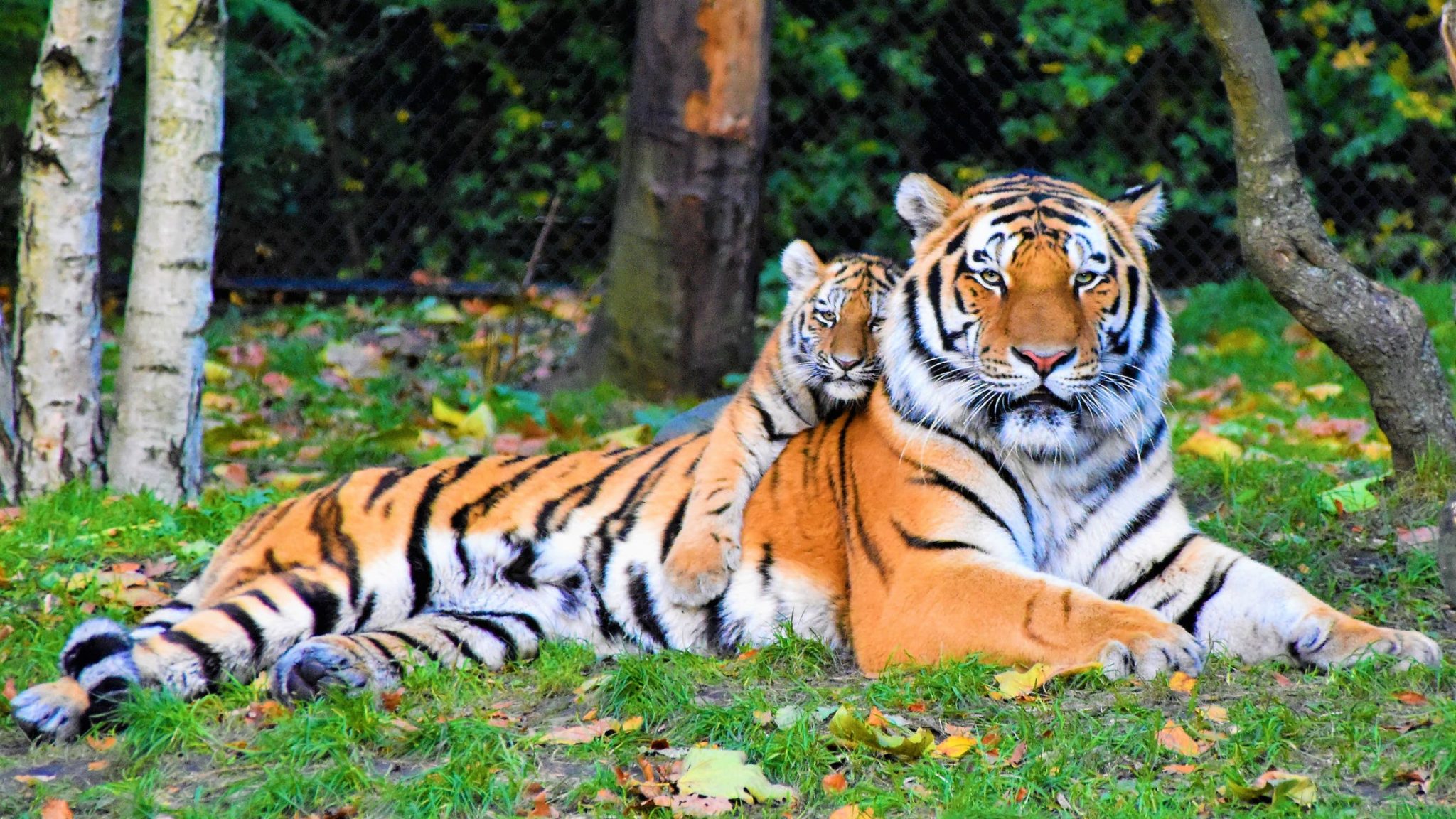
HURL Organises Learning Programme At Jim Corbett
May 27, 2026 -
Luxury Wellness Comes To Jim Corbett National Park
April 20, 2026 -

Jim Corbett National Park Safari Zones Guide
April 13, 2026 -

Union Minister’s Visit to a Jim Corbett Hotel
April 09, 2026
Recent Posts
Related Post
No related blogs available at the moment.
(0) Comments:
- No reviews available.