.svg)
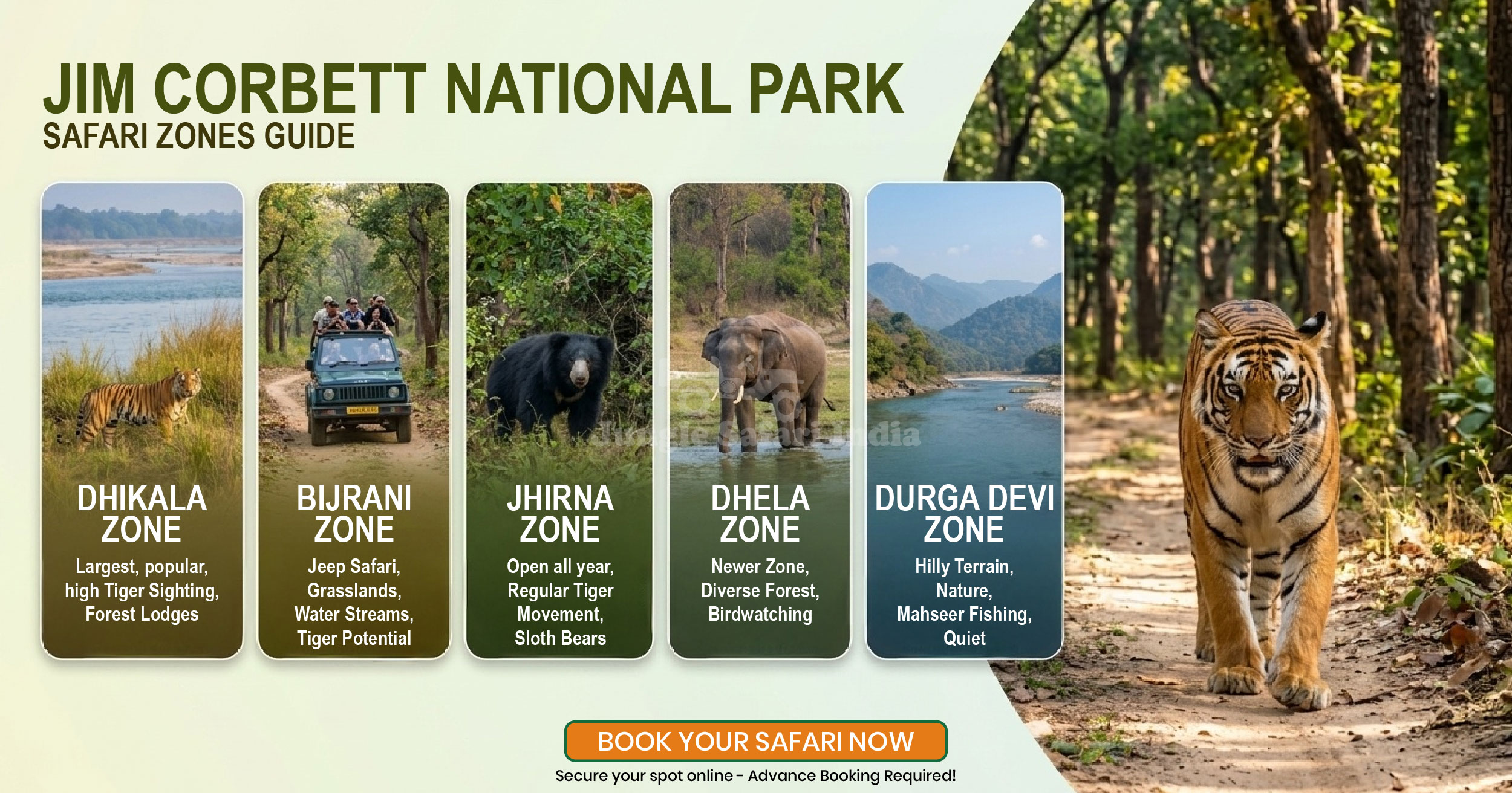
Jim Corbett National Park Safari Zones Guide
Jim Corbett National Park is among the most visited wildlife parks in India. Every year, numerous individuals visit the park. The visitors are usually interested in wildlife and love outdoor travel. In addition, the park is home to the Royal Bengal Tiger species.
Therefore, most tourists come to the park with the aim of seeing this animal. Tourism at Jim Corbett National Park is well-regulated. No visitor is allowed to access the park without prior approval. All tourists visiting the park must first make a Jim Corbett safari booking.
This approach ensures the safety of the tourists and also maintains order within the park. In order to regulate tourism activities within the park, there is an established zoning system. Each of the zones comes with different policies, environments, and wildlife.
Safari System & Zone Management
Jim Corbett National Park follows a proper eco-tourism system. The park is divided into zones so that tourists are spread out. This reduces pressure on one area & helps in protecting wildlife.
The main tourism zones are Dhikala, Bijrani, Jhirna, Dhela, and Durga Devi. There is also Sitabani, which is a buffer zone. Each zone gives a different experience to visitors.
Safari tours run in two shifts every day. One shift is in the morning, and the other is in the evening. This system helps control tourist movement. It also reduces disturbance to animals during important times like feeding and resting.
There is a fixed number of safari vehicles allowed in each zone. Only a limited number of gypsies can enter. This rule is very important because it reduces noise and protects the natural environment. Animals can move freely without stress.
Because of these rules, Jim Corbett safari booking is very important. Without booking, visitors are not allowed to enter the park.
Overview Of All Safari Zones
All safari zones in Jim Corbett National Park are part of one large forest area. Animals can move freely between these zones. The division is only for tourism management.
Each zone has a different type of forest and land. Some areas have dense Sal forests, while others have open grasslands. Some zones also have rivers and water streams. Because of these differences, every zone offers a unique experience.
Tiger sightings are possible in all zones, but the chances may be different. This depends on forest type, water sources, and how easy it is to see animals. In open areas, animals are easier to spot. In dense forests, sightings may be less frequent.
During the Jim Corbett safari booking, visitors can ask for the zone they want to visit. This choice depends on their interest, travel plan, and available safari zones.
Details Of Popular Safari Zones
Dhikala Zone
Dhikala Zone is around 18 kilometers from Ramnagar. It is the largest and most popular zone in Jim Corbett National Park. Many visitors visit this zone because it offers a complete wildlife experience.
Dhikala is the only zone where visitors can stay inside the forest. Both day visits and night stays are allowed here. There are forest lodges available for accommodation.
This zone has grasslands, dense forests, and the Ramganga River. This type of environment supports many kinds of animals. The chances of seeing a tiger are high in this zone.
Visitors can also see elephants, spotted deer, wild boar, hog deer, and barking deer. The wildlife variety in Dhikala is very wide, which makes it a top choice for tourists.
Jhirna Zone
Jhirna Zone is located about 16 kilometers from Ramnagar. It became part of the reserve in 1994. Over time, it has become a popular safari zone.
One important feature of Jhirna is that it remains open throughout the year. Other zones may close during the rainy season, but Jhirna usually stays open in all months.
This zone is known for regular tiger movement. It is also a good place to see sloth bears. Other animals found here include elephants, sambar deer, and many bird species.
Because it is open all year, Jhirna is a reliable option for making a Jim Corbett safari booking, especially when other zones are closed.
Bijrani Zone
Bijrani Zone is very close to Ramnagar, only about 1 kilometer away. This makes it one of the easiest zones to reach.
Bijrani is well known for day safaris. The area has grasslands, dense forests, and water streams. This mix of land types supports active wildlife movement.
There is a good chance of seeing the Royal Bengal Tiger in this zone. Gypsy safaris are the main way to explore Bijrani.
Visitors must complete a Jim Corbett safari booking in advance to enter this zone. It is one of the most popular zones, so early booking is strongly recommended.
Details Of Other Safari Zones
Dhela Zone
Dhela Zone is one of the newer zones in Jim Corbett National Park. It was opened for tourists in 2014. This zone is usually open throughout the year, but safari operations may depend on weather conditions.
The forest in Dhela has different types of trees such as Sal, Haldu, Bahera, Rohini, and Kusum. The area also includes grasslands & water bodies.
Many animals can be seen here, including tigers, leopards, elephants, deer, and bears. The zone is also very good for birdwatching, as many bird species live in this area.
Dhela is a good choice for visitors who want to see both animals and birds during their safari.
Durga Devi Zone
Durga Devi Zone is located about 35 kilometers from Ramnagar. It is in the northeastern part of Jim Corbett National Park.
This zone has a different type of landscape compared to other zones. The area is hilly and has a more natural and quiet environment. The Ramganga and Mandal rivers flow through this zone.
Wildlife in this area includes tigers, leopards, and elephants. Visitors may also see otters near the river areas.
Durga Devi Zone is a good option for people who enjoy natural surroundings along with wildlife sightings.
Sitabani Buffer Zone
Sitabani doesn't lie inside the core area of Jim Corbett National Park. It is a buffer zone, so it is located outside the main tiger reserve area.
Visitors can go to Sitabani with fewer rules and permits. This place is less crowded than other zones of the park.
The area includes forests, small rivers, and some old temples. It gives a peaceful feeling to visitors.
Tiger sightings are not common here, but other animals live in this zone, such as elephants, deer, sambar, and nilgai.
Sitabani is suitable for visitors who prefer a very calm and relaxed nature experience.
-
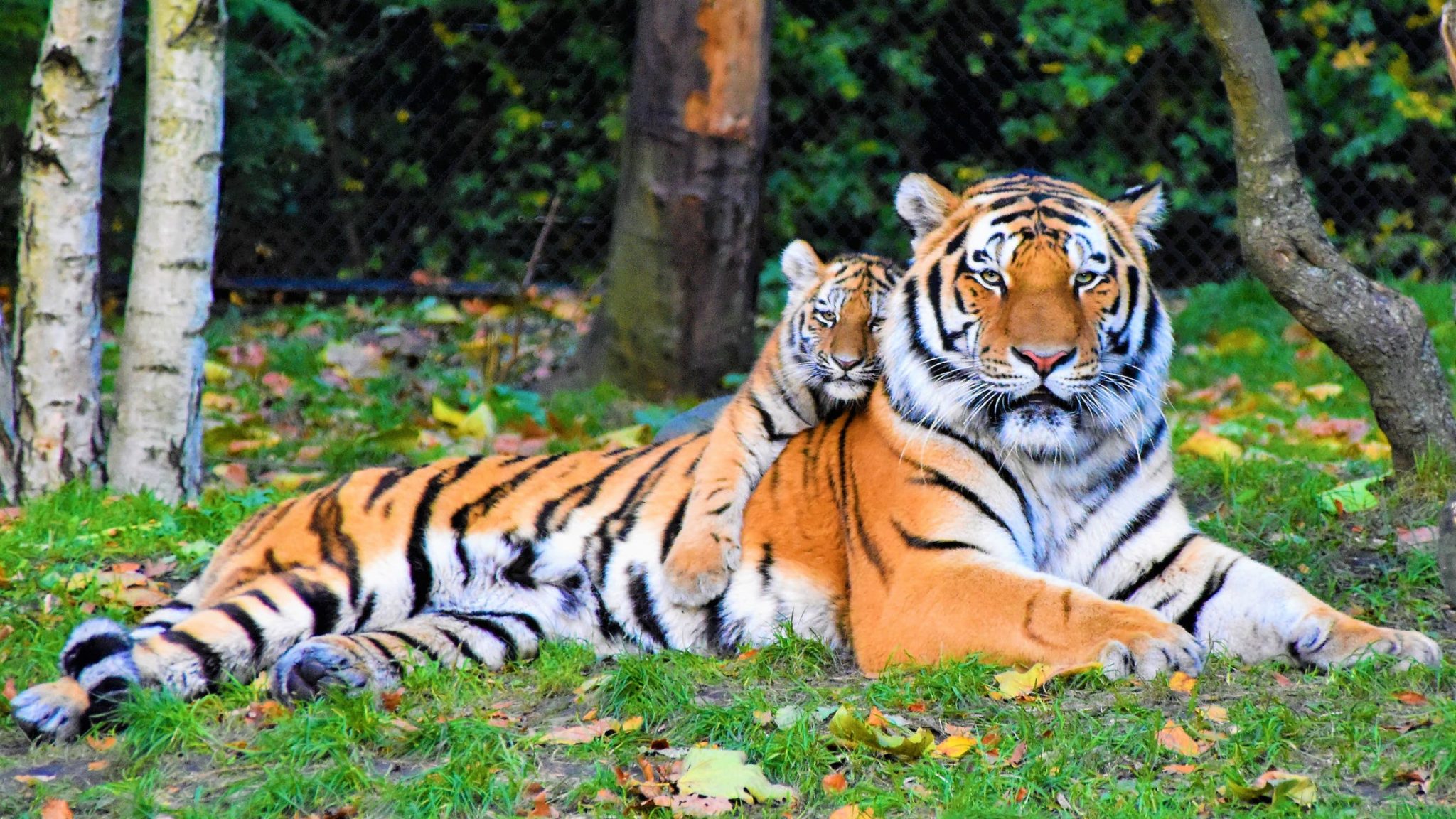
HURL Organises Learning Programme At Jim Corbett
May 27, 2026 -
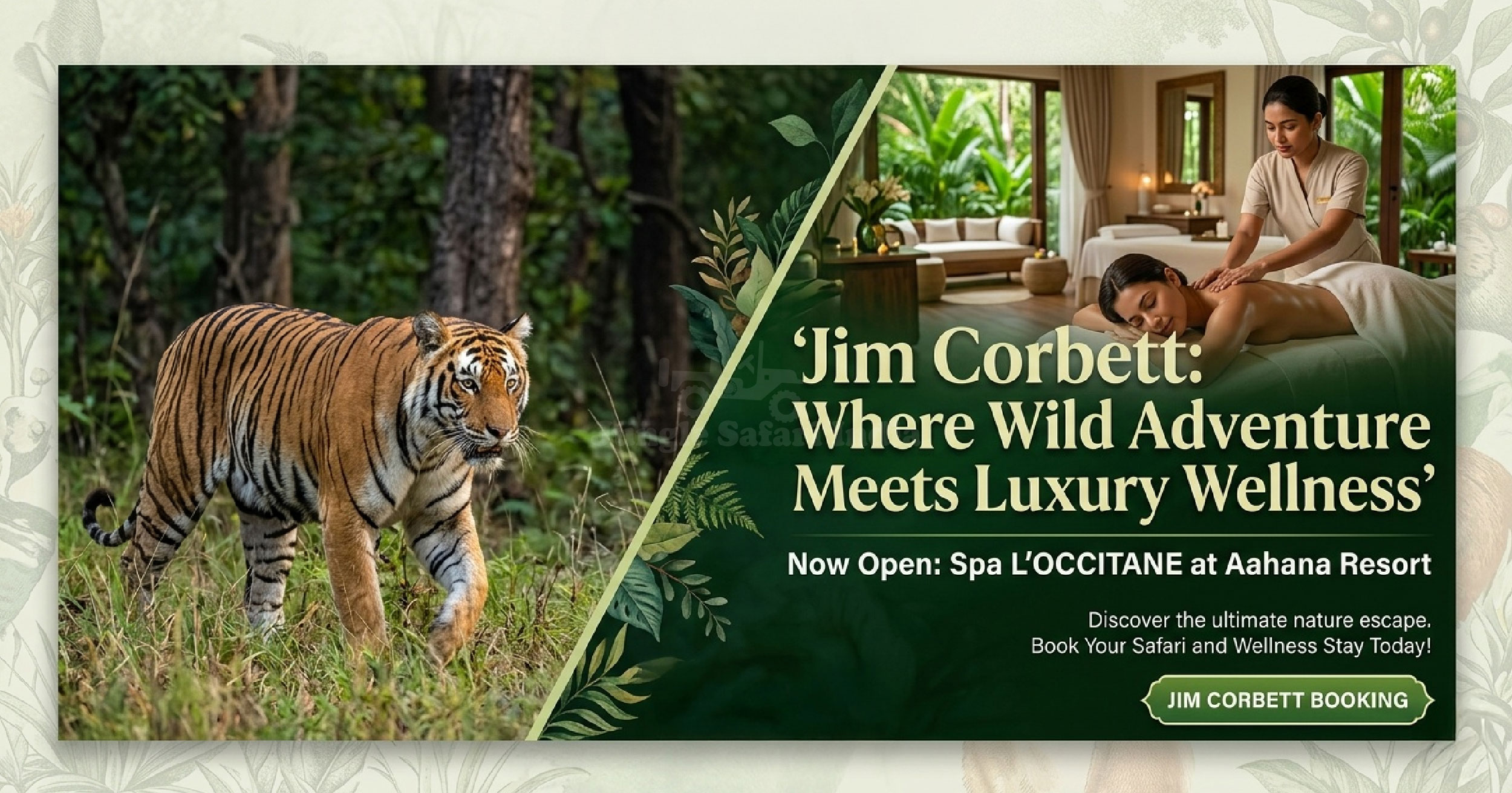
Luxury Wellness Comes To Jim Corbett National Park
April 20, 2026 -

Union Minister’s Visit to a Jim Corbett Hotel
April 09, 2026 -

Women Protecting Wildlife in Jim Corbett National Park
March 13, 2026
Recent Posts
Related Post
No related blogs available at the moment.
(0) Comments:
- No reviews available.